Little white lies in marriage: how small dishonesty erodes trust
“It was on sale.” “I'm almost there.” “I'm fine.” Ricardo Martins writes about the small everyday lies couples tell, what Bella DePaulo's research found about lying to a spouse, and what Ephesians 4 teaches about speaking the truth in love.
 By Ricardo Martins
Published November 2, 2026 · 7 min read
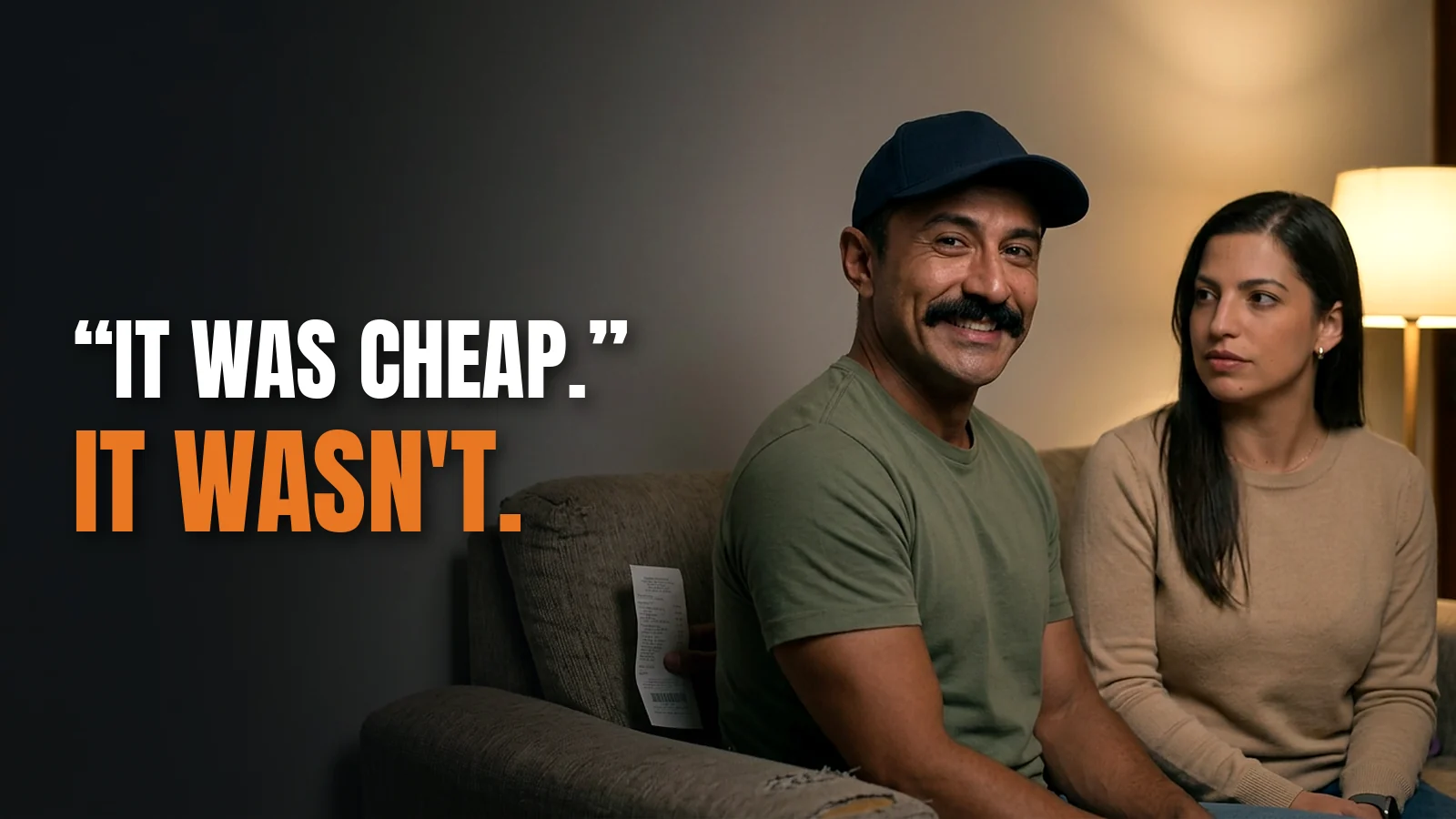
“How much were those shoes?” “Oh, not much. They were on sale.”
“Where are you?” “Pulling in now.” (He hasn’t left the office.)
“Are you mad at me?” “No. I’m fine.”
None of these lines will ever show up in divorce papers. Nobody sits in a pastor’s office crying about a pair of sneakers. And that’s exactly what makes them dangerous: we don’t take them seriously. We call them white lies, fibs, “just keeping the peace.” And we move on.
But trust rarely collapses all at once. It wears thin. One little lie a week for ten years is more than five hundred hairline cracks in the same wall.
What research says about lying to the people we love
Psychologists Bella DePaulo and Deborah Kashy asked two groups, college students and adults from the community, to keep a diary for one week of every social interaction they had and every lie they told. The study was published in 1998 in the Journal of Personality and Social Psychology.
Three findings stand out to me:
- Among adults, the lowest rate of lying was to spouses — fewer than one lie in every 10 interactions in the community group. With dating partners (not spouses), it was closer to one in three.
- The closer the relationship, the more uncomfortable people felt when they lied.
- Lies told to close partners were discovered more often.
Think about what that means. The good news: most married people lie to their spouse less than to anyone else. The bad news: “fewer than one in ten” isn’t zero. In a home where husband and wife talk dozens of times a day, that still adds up. And the person most likely to find out is the one sleeping next to you.
It’s a small study, from another era. It can’t measure your marriage. But it confirms what Scripture has said for thousands of years: a lie never stays small inside your own home.
The little foxes that ruin the vineyard
In the middle of a love poem, the Song of Songs drops a strange line:
“Catch for us the foxes, the little foxes that ruin the vineyards, our vineyards that are in bloom.” — Song of Songs 2:15 (NIV)
Not wolves. Little foxes. Small, quick animals you never see come in, but they chew the roots and eat the fruit before it ripens.
A white lie is a little fox. It won’t take down your marriage overnight. It eats the vineyard slowly while the couple assumes everything’s in bloom.
Jesus was blunt about the weight of small things:
“Whoever can be trusted with very little can also be trusted with much, and whoever is dishonest with very little will also be dishonest with much.” — Luke 16:10 (NIV)
When you get comfortable fudging the price of a pair of shoes, you’re training the same muscle that may one day hide something that really matters. I’m not saying everyone who lies about shopping will cheat. I’m saying small lies teach the heart that hiding is normal.
Why we lie to the people we love
Almost nobody lies to their spouse because they’re evil. We do it for three very human reasons:
Fear of the reaction. “If I tell her what I spent, it’ll turn into a fight.” The lie buys one quiet night and charges interest for years.
Wanting to look better. “Pulling in now” sounds more responsible than “I lost track of time.” The lie protects my image, not our relationship.
Not wanting the conversation. “I’m fine” ends the topic. The truth would open a talk nobody wants at 10 p.m. on a Tuesday.
All three share one root: I choose to protect myself instead of trusting. And that’s the problem. Marriage is a covenant, not a negotiation. When I lie, I treat my spouse like someone I need to defend myself against, not someone I’m one flesh with.
“We are all members of one body”
Paul makes a beautiful case against lying, and he doesn’t start with a rule. He starts with identity:
“Therefore each of you must put off falsehood and speak truthfully to your neighbor, for we are all members of one body.” — Ephesians 4:25 (NIV)
Lying to your spouse is like your hand trying to fool your eye. It makes no sense. You’re part of the same body. What one hides, the other feels, even without knowing where it’s coming from.
He says it again in Colossians:
“Do not lie to each other, since you have taken off your old self with its practices.” — Colossians 3:9 (NIV)
Lying is old clothing. It’s the way of life of someone who hasn’t met Christ yet. When He has clothed you new, you don’t have to hide behind edited versions anymore.
Privacy isn’t secrecy (and a surprise isn’t a lie)
Before anyone takes this to an extreme: honesty doesn’t mean narrating every thought or giving up all privacy. You don’t have to spoil the birthday gift. You can have time alone with God, a prayer journal, conversations where someone else asked you for confidentiality.
One question helps sort it out: if my spouse knew this, would they feel deceived? If the answer is yes, it’s not privacy. It’s a secret. And in marriage, secrets always grow in the dark.
And don’t confuse truth with cruelty. “You’ve gained weight and I’m not attracted to you anymore” isn’t brave honesty; it’s harshness with an excuse. Paul doesn’t just say speak the truth. He says “speaking the truth in love” (Ephesians 4:15). Truth without love wounds. Love without truth deceives.
Five steps to get back to the truth
1. Take an honest inventory, alone, before God. Before you point at your spouse, ask: where have I been shading the truth? Money, time, my phone, my feelings? Write it down. What stays in your head is easy to justify.
2. Confess the small ones, not just the big ones. Pick a calm moment and say: “Remember when I said those shoes were cheap? They weren’t. I’m sorry. I want to stop doing that.” If you struggle to apologize without explaining yourself, read How to apologize for real in marriage.
3. Make the truth safe. If you blow up every time your spouse is honest, you’re training them to lie. Agree together: truth told with humility doesn’t become ammunition in the next fight.
4. Swap “I’m fine” for a short, honest sentence. You don’t need a deep talk every night. Just: “I’m not okay, but I don’t want to talk right now. Can we talk tomorrow?” That’s honest and kind at the same time.
5. Pray together for a heart without pretense. Ask God to take away the fear that feeds the lies. He doesn’t just want right behavior. He wants truth in the inner parts.
The truth is lighter than it looks
“The Lord detests lying lips, but he delights in people who are trustworthy.” — Proverbs 12:22 (NIV)
Lying is exhausting. You have to remember what you said, to whom, and which version. You live on guard. The truth only has to be told once.
Maybe today isn’t the day for big confessions. Maybe it’s just the day you stop the next little lie. When the question comes — “How much was it?” “Where are you?” “Are you okay?” — tell the truth. In love. Calmly. And let God use that small faithfulness to rebuild, brick by brick, the trust the little foxes have been eating.
Because in marriage, the one who is faithful in little is building something much bigger.
Ricardo Martins
Ricardo Martins is an author, pastor and spokesperson for the Legendários men's movement. With his wife, Vanessa Lima, he created The Legendary Couple (O Casal Legendário), reaching millions with content on Christian marriage and restoration. Author of "Quando o amor recomeça" (Citadel, 2026).
Want to talk with Ricardo & Vanessa?
Follow the daily videos on YouTube and Instagram — real testimony, practical steps, and hope for marriages that look finished.
Watch on YouTubeKeep reading
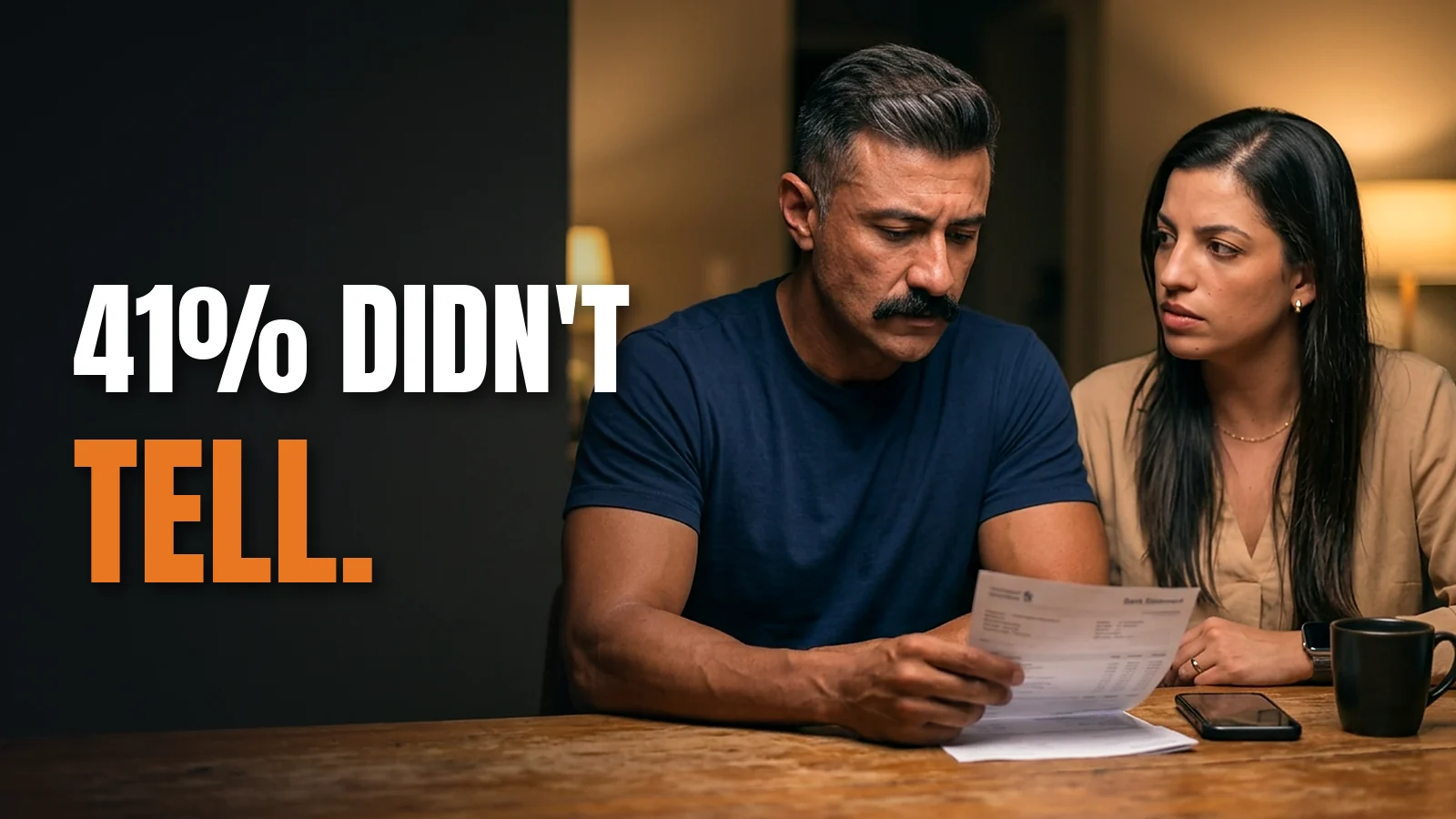
Money Is Couples' Top Stressor — and 41% Made a Big Financial Decision Without Telling Their Partner
A new CFP Board survey with Morning Consult, released October 5, 2026, found that 65% of married or cohabiting Americans name money as a top relationship stressor and 41% made a major financial decision in the past year without telling their partner. Ricardo Martins comments on what this reveals about trust and covenant.
Read article →
When she earns more: male pride and money in marriage
Your wife got the promotion, her paycheck passed yours, and something shifted inside you. Ricardo Martins writes to husbands about the pride hiding behind a paycheck, what Proverbs 31, Mark 10 and 1 Peter 3 teach about leadership, and five practical moves to keep her income from becoming a silent war.
Read article →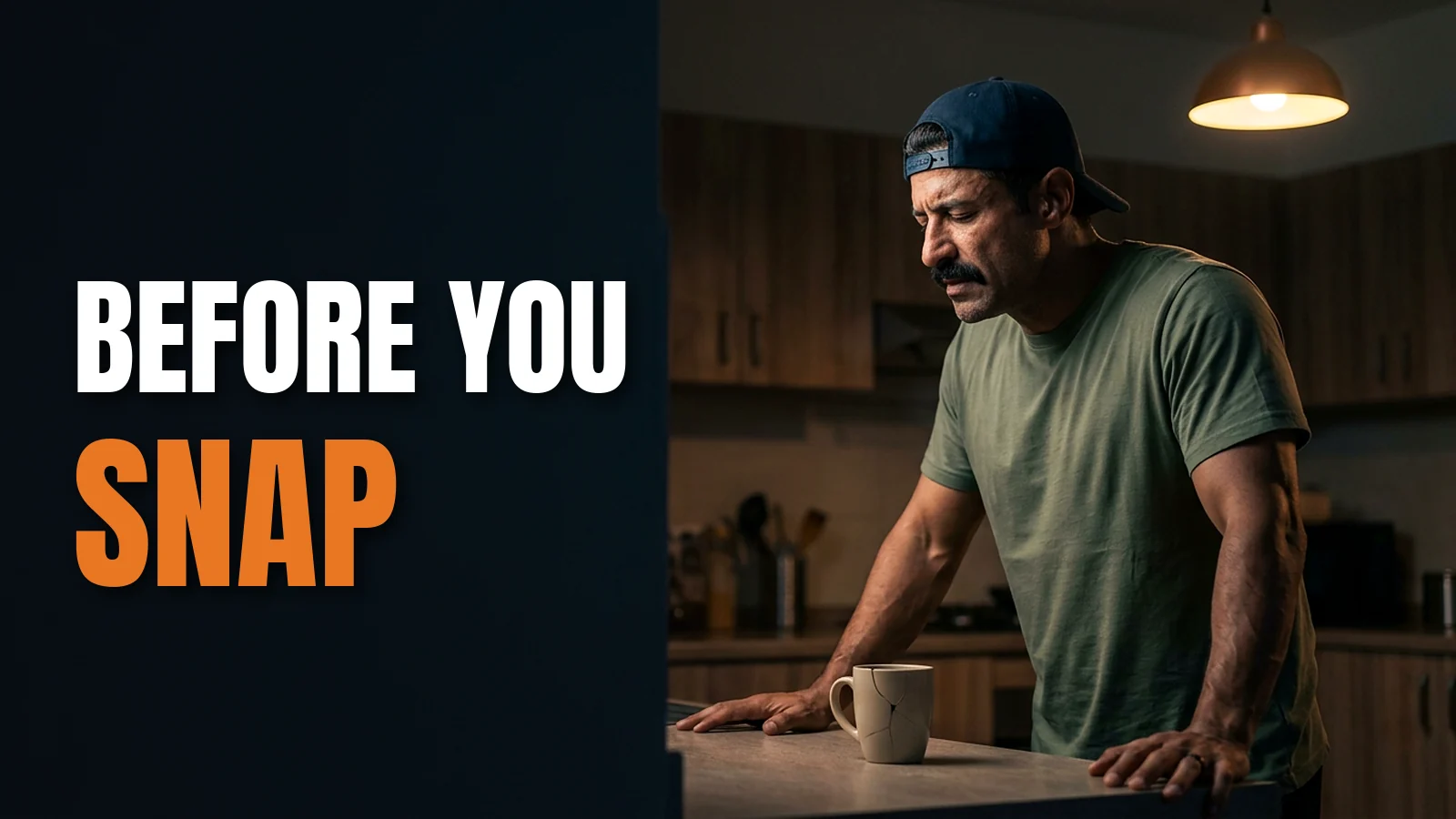
Anger in men: “in your anger do not sin” at home
The slammed door, the fist on the table, the heavy silence. Ricardo Martins writes to husbands about the anger that runs a home, what Ephesians 4, James 1 and Proverbs teach about self-control, and five practical steps for a man to stop blowing up at the people he loves most.
Read article →This content is educational and pastoral. It does not replace therapy, medical, legal or emergency help. If you are in danger, seek help now.