Daily gratitude in marriage: the small habit that shifts the atmosphere at home
The coffee that shows up on the table, the laundry folded, the bills paid — when nobody says thank you anymore, a marriage cools down. Ricardo Martins writes, with 1 Thessalonians 5, Luke 17 and a diary study of couples, about gratitude as a daily habit.
 By Ricardo Martins
Published October 30, 2026 · 7 min read
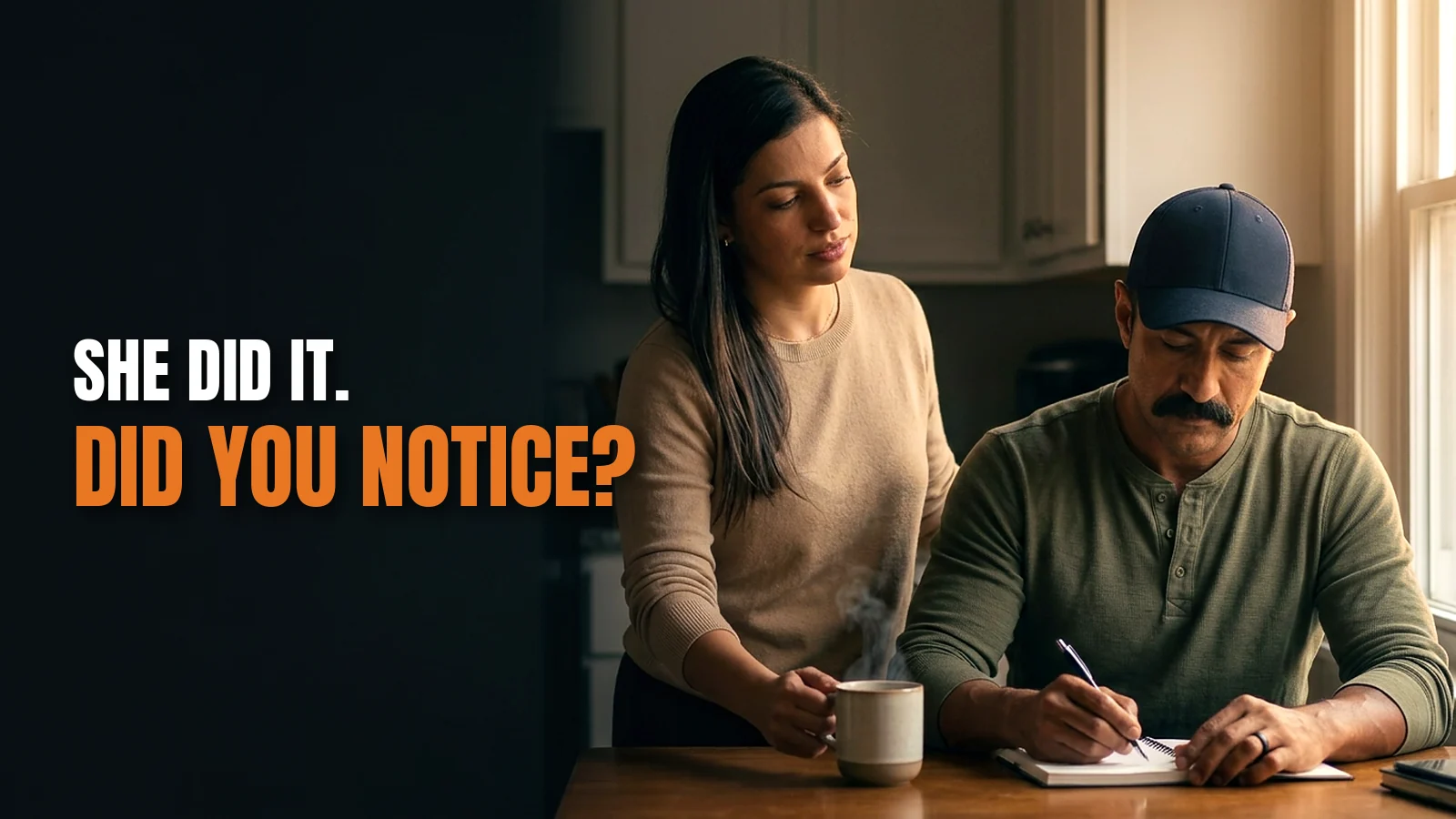
She’s up before everyone else. Coffee’s on, the kids’ lunches are packed, and she remembered the dentist appointment nobody else did. She sets a mug down next to him. He’s bent over a notebook, working through something for the office. He doesn’t look up. He doesn’t say a word.
No fight. Nothing rude. Nothing “happened.”
And that exact “nothing,” repeated every single morning, is how a home slowly goes cold.
I know a lot of couples who didn’t hit bottom because of an affair or some huge blowup. They got there by accumulation. Years of effort nobody noticed. Years of “that’s just your job.” Then one day a wife looks at her husband — or a husband at his wife — and thinks: “If I disappeared tomorrow, all he’d miss is the service.”
Duty doesn’t warm anybody’s heart
There’s a trap almost every marriage falls into: treating what’s expected as if it doesn’t deserve recognition.
“She’s a mom — that’s what moms do.” “He’s the husband — of course he pays the bills.” Sure, those may be real responsibilities. But since when does a responsibility carried well not deserve a thank-you?
God is God, and yet the whole Bible keeps inviting us to thank Him for what He does. If we’re called to give thanks to the Creator, who needs nothing from us, how much more to a spouse made of flesh, bone and exhaustion?
Paul put it plainly:
“Give thanks in all circumstances; for this is God’s will for you in Christ Jesus.” (1 Thessalonians 5:18, NIV)
All circumstances. Not just the answered prayers. Not just the anniversary dinner. Tuesday’s breakfast counts. The dishes count. The paycheck counts.
Where are the other nine?
There’s a moment in Luke 17 that gets under my skin every time. Jesus heals ten men with leprosy — ten outcasts, cut off from their families, suddenly handed their lives back. And one comes back to say thank you.
“Jesus asked, ‘Were not all ten cleansed? Where are the other nine? Has no one returned to give praise to God except this foreigner?’” (Luke 17:17-18, NIV)
The nine weren’t villains. They were probably in a hurry to get home, back to work, back to normal. They took the gift and moved on.
That’s a lot of husbands and wives. Not malice — momentum. We receive our spouse’s care every day, and because it comes every day, we stop seeing it. What’s constant turns into wallpaper.
But Jesus noticed. He asked about the nine. Ingratitude is never neutral — somebody feels it.
What the research found
Psychologists Sara Algoe, Shelly Gable and Natalya Maisel followed 67 cohabiting couples in the U.S. For two weeks, both partners filled out a diary every night: what thoughtful things their partner did that day, how they felt about it, and how the relationship was doing.
They published the results in 2010 under a title I love: “It’s the little things: Everyday gratitude as a booster shot for romantic relationships.”
What they found: gratitude felt on one day predicted more connection and more satisfaction in the relationship the next day — not only for the person who felt grateful, but also for the partner who’d done the kind thing. Both of them came out ahead.
Another detail caught my eye. The researchers separated gratitude from a different feeling: indebtedness, that “now I owe you one” sense. Both showed up when someone received a kindness, and men had more mixed reactions than women. But only gratitude was tied to a stronger relationship. Feeling indebted didn’t grow anything.
That’s the gospel in miniature. Grace doesn’t create debt — it creates gratitude. People who treat faith like paying off a balance with God end up worn out. People who understand they received it freely end up thankful. Home works the same way. A marriage that runs on “I did this, so you owe me that” turns into accounting. A marriage that runs on gratitude turns into a home.
Gratitude is a habit, not a mood
A lot of us wait to feel grateful before we say anything. But gratitude works more like a muscle than a feeling that falls out of the sky. It grows when you use it.
Paul wrote to the Colossians:
“Let the peace of Christ rule in your hearts, since as members of one body you were called to peace. And be thankful.” (Colossians 3:15, NIV)
“Be thankful” is a command. It’s a choice. And notice the connection: where Christ’s peace rules, thankfulness shows up. Where thankfulness disappears, the peace in the house tends to leave with it.
A few simple practices I’ve seen work for couples:
1. Be specific. “Thanks for everything” is sweet, but it says nothing. “Thanks for remembering the kids’ dentist appointment” proves you saw. Being seen is what your spouse’s heart is asking for.
2. Thank them for the “just their job” stuff. The exact things you think don’t need a thank-you — the paycheck, dinner, a clean kitchen, a full gas tank. That’s where the invisible exhaustion lives.
3. One thank-you before bed. Before you roll over, name one concrete thing your spouse did that day that you appreciated. Thirty seconds. In a month, that’s thirty times your spouse felt noticed.
4. Say it in front of the kids. Proverbs 31 pictures a home where the children call their mother blessed and “her husband also, and he praises her” out loud (Proverbs 31:28, NIV). Kids who hear Dad thank Mom learn what honor looks like without a single lecture.
5. Thank God for your spouse — and tell them. Paul told the church in Philippi, “I thank my God every time I remember you” (Philippians 1:3, NIV). Try saying that at home: “I thanked God for you today.” Few sentences change the temperature of a house faster.
To the husband reading this
Let me talk to you, man to man, because I know how this goes. A lot of us grew up thinking appreciation is small stuff — what matters is providing and fixing things. But your wife doesn’t live on solved problems alone. She lives on being seen.
Maybe you’re not ungrateful at heart. Maybe nobody ever taught you to say it. So start today, even if it feels awkward. I was the problem in my own marriage, and I can tell you with total conviction: marriages get rebuilt in the small things, brick by brick. A sincere thank-you is a brick.
To the worn-out wife
And if you’re the wife reading this, tired of never hearing thank you: I’m sorry. Your effort isn’t invisible to God. He sees what’s done in secret.
If you can, talk to your husband calmly and tell him what you need, without accusation: “I feel closer to you when you notice what I do.” And, if you’re able, start thanking him for what he does, too. Not as a tactic — as a seed. Gratitude tends to be contagious.
Start tonight
You don’t need a retreat, a vacation or a big sit-down talk to change the atmosphere in your home. You need open eyes and a willing mouth.
Tonight, before you fall asleep, look at the person God put beside you and name one thing they did today that you don’t want to slip by unnoticed.
Be the one who came back. Don’t be one of the nine.
For more honest conversations like this one, Vanessa Lima and I share them every week on our channels.
Ricardo Martins
Ricardo Martins is an author, pastor and spokesperson for the Legendários men's movement. With his wife, Vanessa Lima, he created The Legendary Couple (O Casal Legendário), reaching millions with content on Christian marriage and restoration. Author of "Quando o amor recomeça" (Citadel, 2026).
Want to talk with Ricardo & Vanessa?
Follow the daily videos on YouTube and Instagram — real testimony, practical steps, and hope for marriages that look finished.
Watch on YouTubeKeep reading
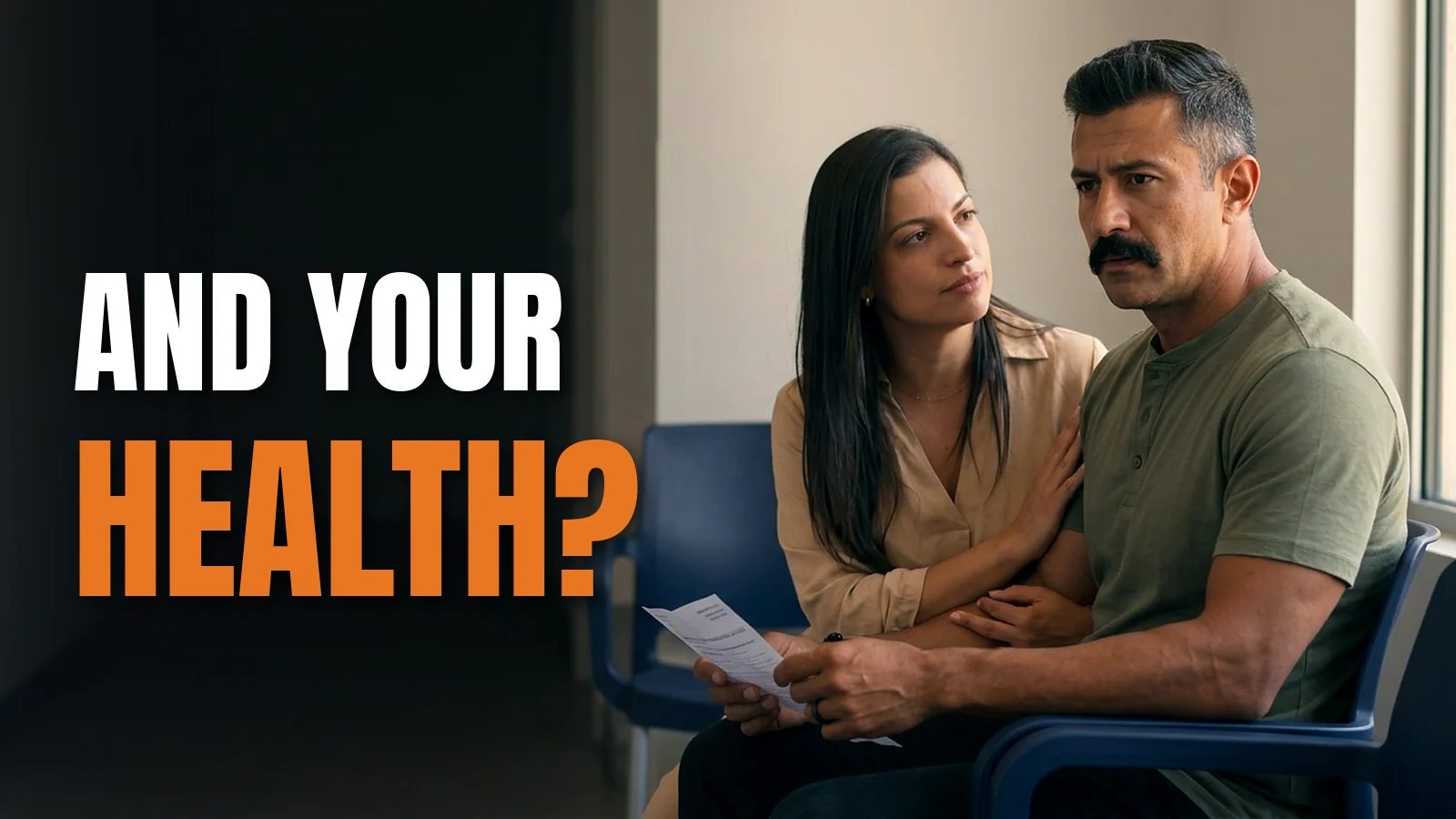
November Blue: 77,000 Prostate Cancer Cases a Year in Brazil — and the Man Who Cares for Everyone but Himself
As Brazil's "November Blue" men's health campaign began, CNN Brasil reported that the National Cancer Institute (INCA) projects 77,920 new prostate cancer cases a year through 2028, and that shame and fear keep many men from addressing it. Ricardo Martins reflects on the male pride that postpones health — and the couple's role in it.
Read article →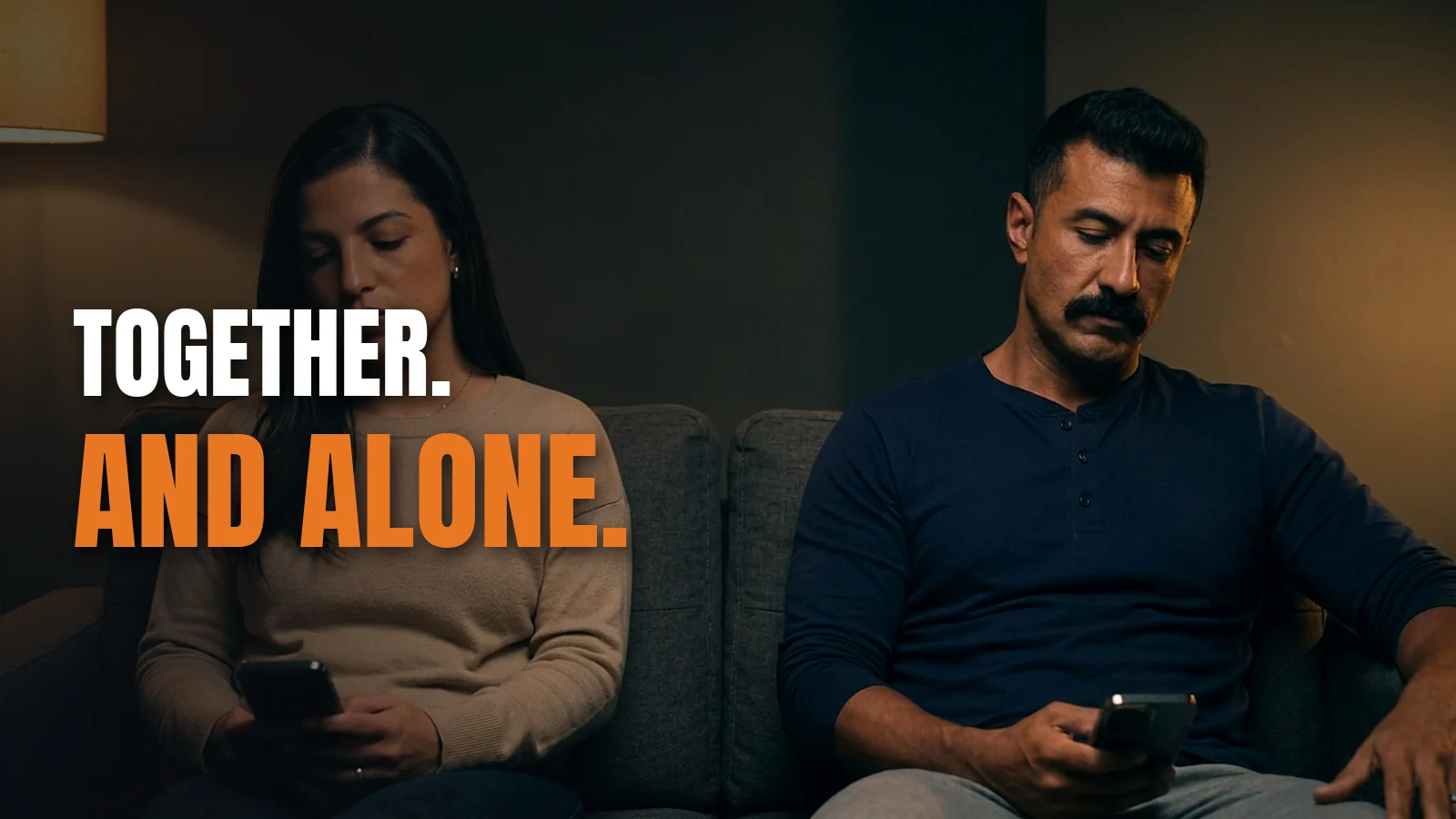
Lonely in Marriage: 1 in 4 Married Brazilians Felt Alone, Survey Finds
Brazil's 2026 Mental Health Panorama (Instituto Cactus and AtlasIntel), reported by Folha de S.Paulo, found loneliness to be the factor most linked to poor mental health. Married people felt lonely far less often than singles, yet 26.6% of them still did. Ricardo Martins reflects on loneliness inside marriage.
Read article →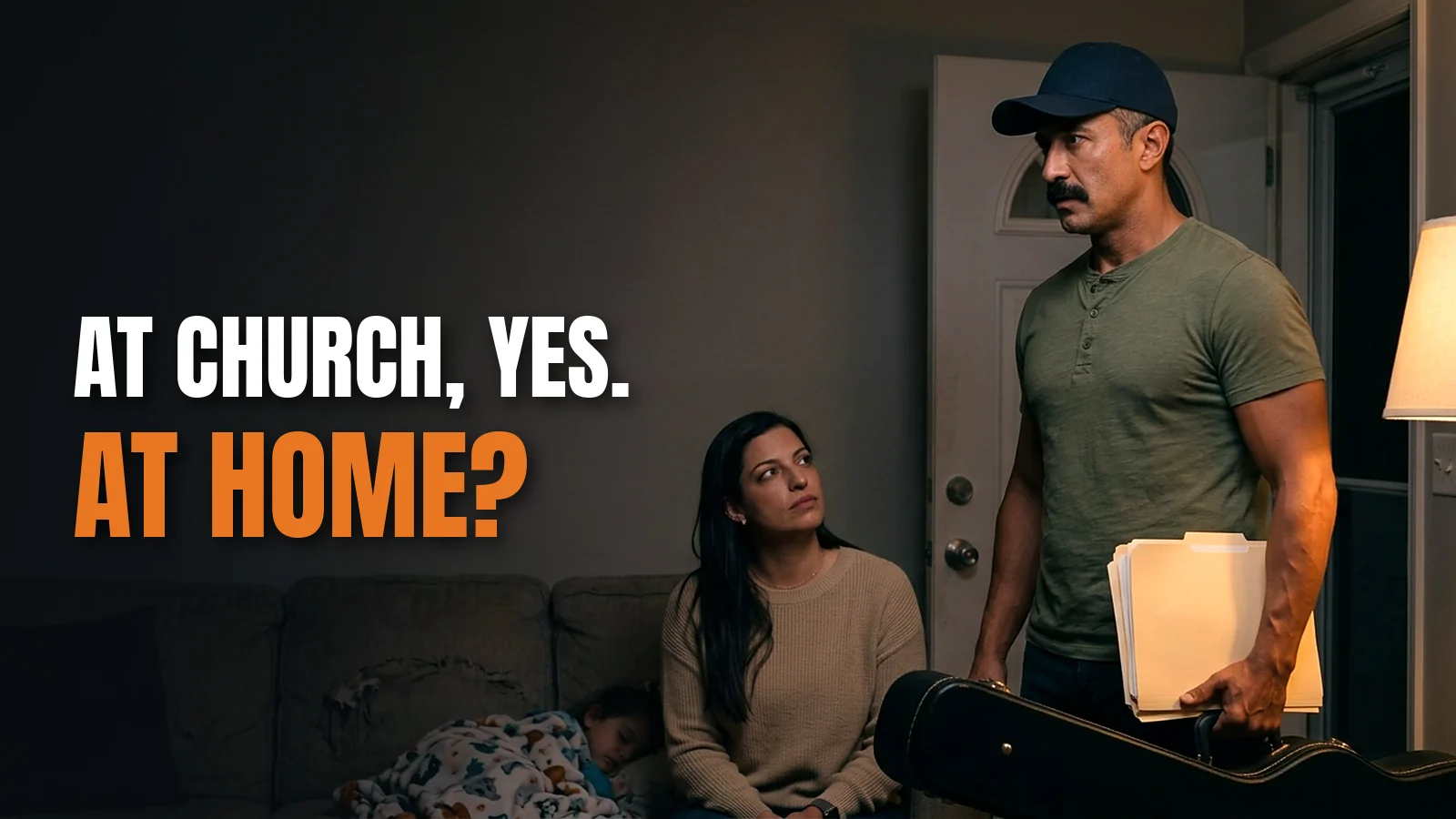
Serving at Church While Neglecting Your Marriage
Worship team on Sunday, small group on Wednesday, leadership meeting on Saturday — and at home, a marriage running on autopilot. Ricardo Martins looks at Song of Songs, 1 Timothy 3, and Revelation 2 to speak to couples who tend everyone else’s vineyard and neglect their own.
Read article →This content is educational and pastoral. It does not replace therapy, medical, legal or emergency help. If you are in danger, seek help now.