Servant leadership in marriage: what Ephesians 5 really says
Too many husbands have turned Ephesians 5 into a weapon. Ricardo Martins shows what the passage actually asks of the man, why leading in marriage means stepping down rather than taking charge, and what Christlike leadership looks like at home.
 By Ricardo Martins
Published September 29, 2026 · 7 min read
I’ve watched plenty of men open their Bibles to Ephesians 5 the way you’d pull out a contract to enforce a clause. They go straight to verse 22, read out loud that wives should submit to their husbands, and close the book. Case closed. In their minds, that’s what leadership is: having the final say, deciding alone, being obeyed.
The problem is, they stopped reading right where God starts talking to them. A man who does that isn’t defending the Bible. He’s using the Bible to defend his pride.
So let’s talk, man to man, about what Ephesians 5 really says. Not to shrink your role. To show you it’s a lot heavier than you thought.
The passage starts before verse 22
Before Paul says a word about husbands and wives, he writes a line most people skip: “Submit to one another out of reverence for Christ” (Ephesians 5:21, NIV). Christian marriage doesn’t start as a pyramid with the man on top. It starts as a home where both of you bow before Christ.
Only then does Paul address each spouse. And notice the proportions: he gives the wife three verses. He gives the husband a lot more than that. If you walked away from this chapter thinking the man got the easy part, you read it wrong.
The heaviest command is for the man
Here’s what God asks of the husband: “Husbands, love your wives, just as Christ loved the church and gave himself up for her” (Ephesians 5:25, NIV).
The standard isn’t “love her your way.” It isn’t “love her when she deserves it.” The standard is the cross. Christ didn’t lead the church by yelling, demanding, or threatening. He led by dying for her. His authority flows out of his sacrifice.
Paul keeps going: “In this same way, husbands ought to love their wives as their own bodies. He who loves his wife loves himself” (Ephesians 5:28, NIV). No man in his right mind abuses his own body, humiliates it, or ignores its pain. That’s how God wants you to see your wife: as part of you.
So if you want to take Ephesians 5 seriously, start with your part. Hers is between her and God. So is yours.
Authority isn’t control
There’s a world of difference between the two.
Control says, “I decide because I’m the man.” Biblical authority says, “I’ll answer to God for this home, so I’ll be the first to serve, the first to listen, the first to apologize, and the first to take responsibility.”
Jesus made this crystal clear when the disciples were arguing about rank. He told them the rulers of this world lord it over people. “Not so with you. Instead, whoever wants to become great among you must be your servant” (Mark 10:43, NIV). Then he finished the thought: “For even the Son of Man did not come to be served, but to serve, and to give his life as a ransom for many” (Mark 10:45, NIV).
The controlling husband wants to be served. The husband who leads like Christ goes first so he can serve. One uses his position to protect himself. The other uses it to protect his family.
In the couples I counsel, the wife who “doesn’t respect” her husband is almost always worn out by a man who demands leadership but doesn’t actually lead. He wants the last word but not the first responsibility. He wants to be obeyed, but he doesn’t pray for his home, doesn’t start the hard conversations, doesn’t own his mistakes.
What a Christlike husband looks like
Biblical leadership isn’t a speech. It shows up on a Tuesday night. Here are five practical marks.
1. He goes first in repentance. After a fight, he doesn’t wait for her to come apologize. He goes to her. Leading means taking the first step toward reconciliation, even when he thinks he’s partly right.
2. He listens before he decides. A wise leader doesn’t make decisions alone that affect both of them. He asks, really listens, and weighs what she says. Peter put it this way: “Husbands, in the same way be considerate as you live with your wives, and treat them with respect as the weaker partner and as heirs with you of the gracious gift of life, so that nothing will hinder your prayers” (1 Peter 3:7, NIV). Don’t miss the ending: how you treat your wife affects your prayer life.
3. He isn’t harsh with her. “Husbands, love your wives and do not be harsh with them” (Colossians 3:19, NIV). Sarcasm, yelling, the silent treatment as punishment, putting her down in front of the kids — none of that is leadership. It’s harshness dressed up as strength.
4. He carries the spiritual weight of the home. It’s not your wife’s job to drag you to church, to prayer, to the Word. Leading means pulling the family to the table, opening the Bible, praying with your kids, even if it feels awkward at first.
5. He shows up. You can’t be the “head” of a home you’re never really present in. I’ve written about the husband who disappeared inside his own home: a lot of men aren’t controlling, they’re checked out. And checking out is just another way of walking away from leadership.
The towel, not the throne
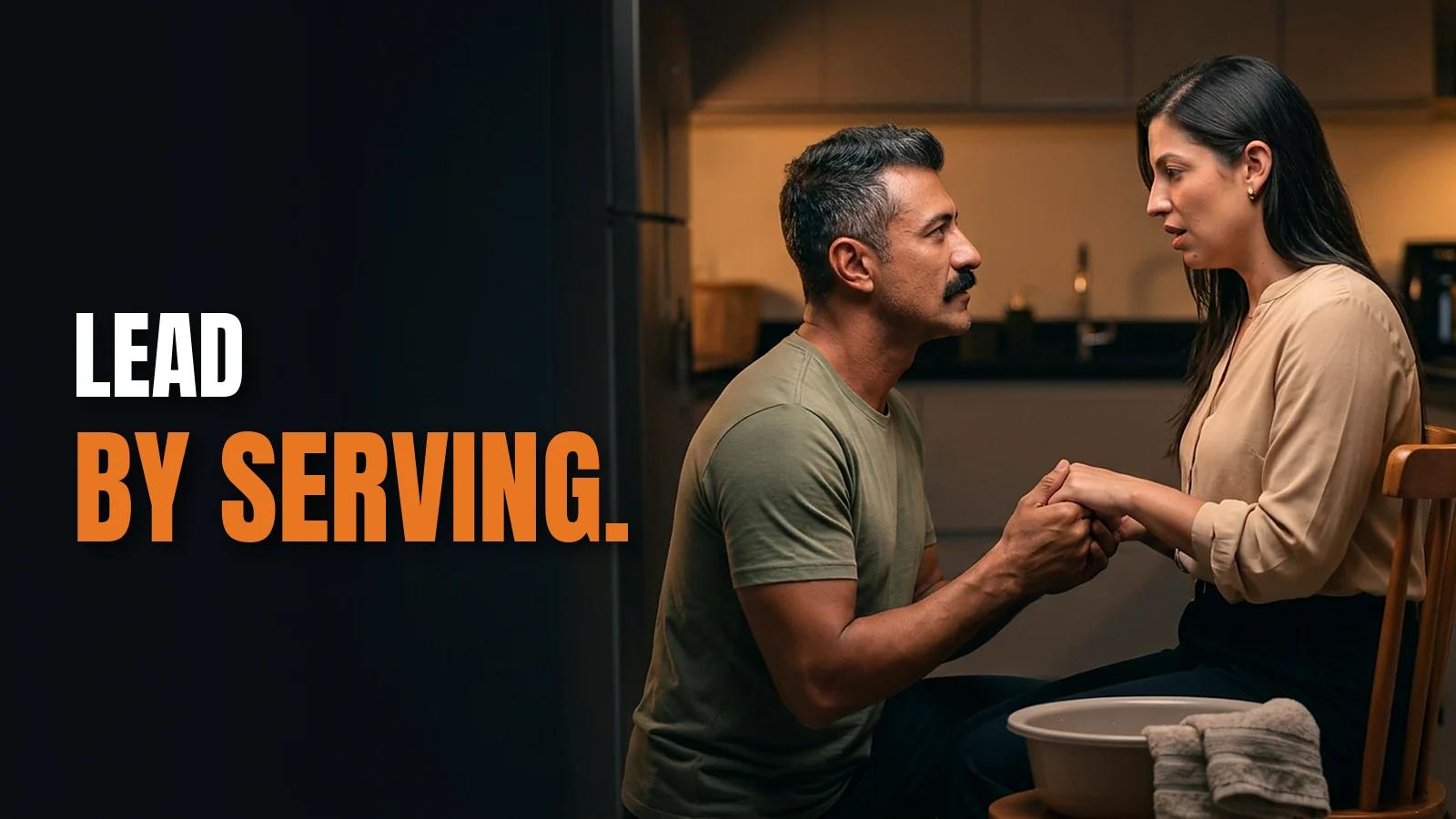
The night before the cross, Jesus got up from the table, took off his outer robe, picked up a towel and a basin, and washed his disciples’ feet. Then he said: “Now that I, your Lord and Teacher, have washed your feet, you also should wash one another’s feet” (John 13:14, NIV).
That’s the symbol of Christian leadership: the towel, not the throne. The Lord and Teacher got down on his knees. If he did that, no husband is too big to do the dishes, handle bedtime, say “I was wrong,” or listen to his wife all the way to the end.
I know what I’m talking about. I used to be the problem in my marriage. For a long time I thought being a man meant being right. What changed our story was my wife, Vanessa Lima, giving God a chance, and me being confronted by him. Trust came back brick by brick, and a lot of those bricks were me learning to step down instead of taking charge.
A word of caution
Wife, if you’re reading this and you live with a man who uses Scripture to control, humiliate, or threaten you, hear this clearly: that is not biblical leadership. Submission has never meant accepting abuse. If you or your children are in any danger, reach out for help now — to people you trust, to your pastoral leadership, and to local protective services. In the U.S., the National Domestic Violence Hotline is available 24/7.
Husband, start today
Don’t wait for your wife to change before you start leading. Leading means going first.
Today, do just one thing. Ask her, calmly, “Where in our home do you feel like you’re carrying the load alone?” Then be quiet and listen. Don’t defend yourself. Don’t explain. Write it down. And start there.
Christ didn’t win his bride with orders. He won her with a love that gave everything. That’s the man God is calling you to be.
Ricardo Martins
Ricardo Martins is an author, pastor and spokesperson for the Legendários men's movement. With his wife, Vanessa Lima, he created The Legendary Couple (O Casal Legendário), reaching millions with content on Christian marriage and restoration. Author of "Quando o amor recomeça" (Citadel, 2026).
Want to talk with Ricardo & Vanessa?
Follow the daily videos on YouTube and Instagram — real testimony, practical steps, and hope for marriages that look finished.
Watch on YouTubeKeep reading

The husband who disappeared inside his own home: presence, not perfection
Some men never walk out — they just stop showing up. Ricardo Martins explains how a husband disappears inside his own house, why he hides, and the way back, which starts with presence instead of perfection.
Read article →
Pornography in marriage: what to do when you find out
You saw the browser history, the screen, or you heard the confession. Now what? Ricardo Martins walks wives and husbands through the first days after pornography comes to light, without denying the pain or giving up on restoration.
Read article →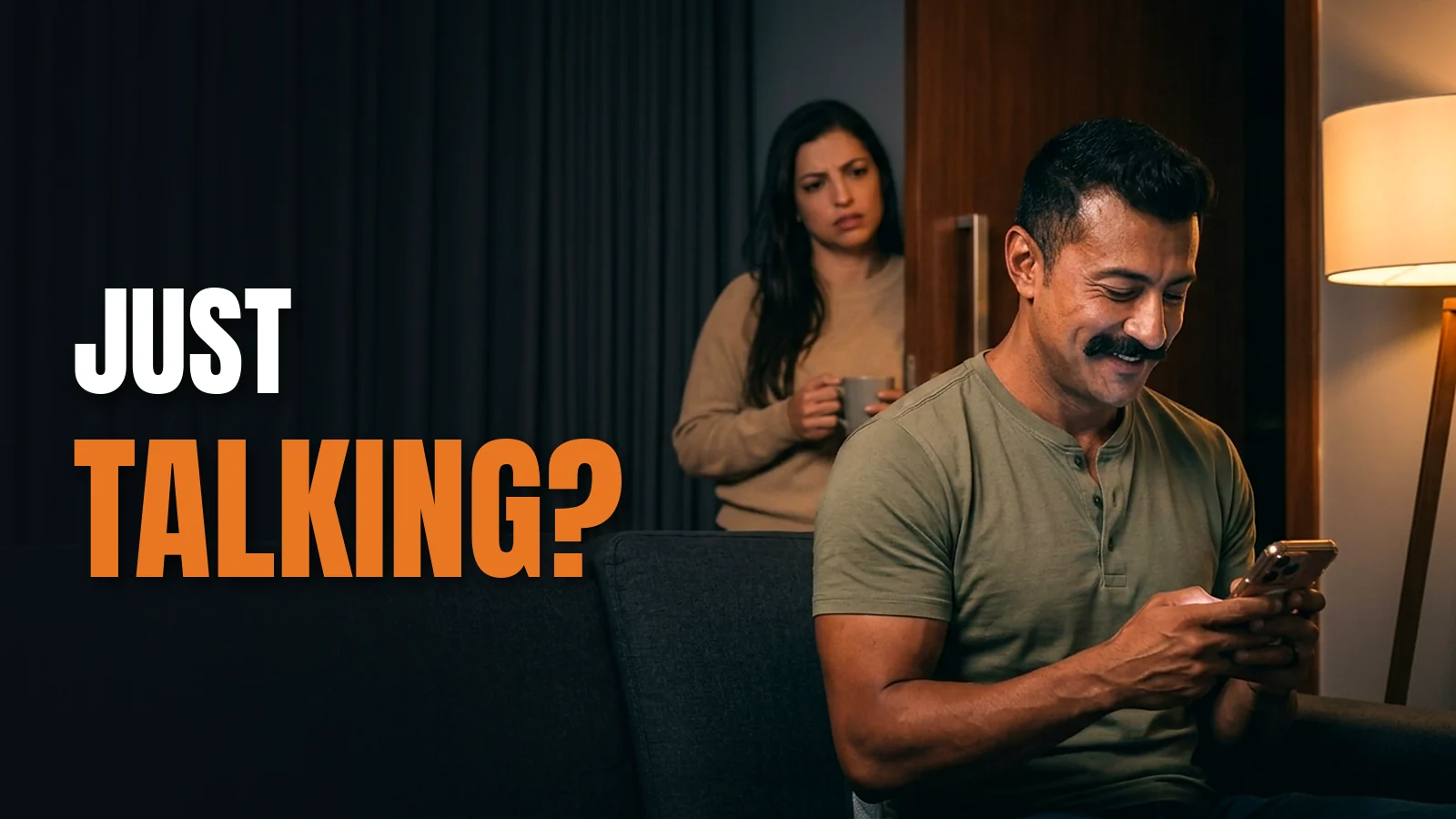
Emotional affairs: when a conversation becomes infidelity
No kiss, no hotel room, but the heart has already moved out. Ricardo Martins explains what an emotional affair is, the signs a friendship has crossed the line, and how to come home before a conversation turns into destruction.
Read article →This content is educational and pastoral. It does not replace therapy, medical, legal or emergency help. If you are in danger, seek help now.