After a porn relapse: grace without excuses
You swore it would never happen again — and it did. Ricardo Martins speaks to the married man who relapsed into pornography about the two lies that show up after a fall, the difference between shame and repentance, and a practical way to get back up without hiding.
 By Ricardo Martins
Published October 26, 2026 · 8 min read
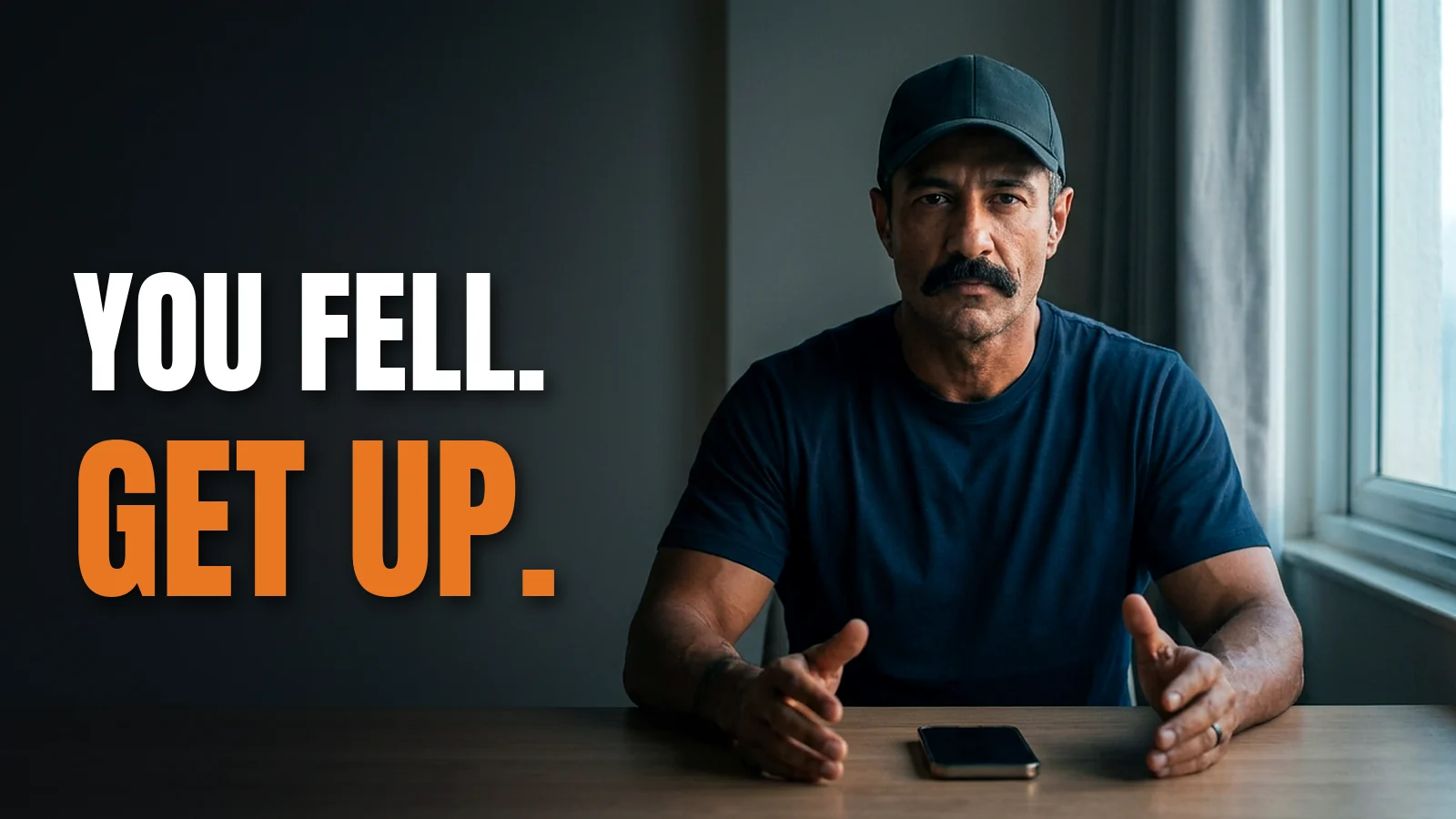
It’s early morning. The house is still quiet. Your phone is lying face-down on the kitchen table, as if that could undo last night.
You had promised. God, yourself, maybe your wife. It had been weeks — maybe months — of freedom. And now here you are, with that mix of disgust and exhaustion, and a quiet voice in your head saying, “See? You’ll never change.”
If that’s you today, I want to talk to you man to man. I’m not going to pat you on the back, and I’m not going to crush you either. Both of those leave you exactly where you are.
A relapse is not the end of your story
Before any plan, you need to hear what Scripture says about people who fall:
“For though the righteous fall seven times, they rise again, but the wicked stumble when calamity strikes.” (Proverbs 24:16, NIV)
Notice what the verse doesn’t say. It doesn’t say the righteous never fall. It says they rise again. The difference between the righteous and the wicked here isn’t whether they hit the ground. It’s what happens next.
The prophet Micah says the same thing while staring the enemy down:
“Do not gloat over me, my enemy! Though I have fallen, I will rise. Though I sit in darkness, the LORD will be my light.” (Micah 7:8, NIV)
Though I have fallen, I will rise. That’s not a pep talk. That’s the posture of a man who knows the strength to get up doesn’t come from inside him. It comes from the Lord.
The two lies that show up after you fall
Every relapse comes with two voices. They sound like opposites, but they work for the same boss.
Lie number one: “It’s hopeless.” That’s the voice of condemnation. It tells you you’re a fraud, your faith is fake, your wife deserves better, and you might as well stop trying. It pushes you into isolation — and in isolation, porn always wins.
God answers that voice plainly:
“Therefore, there is now no condemnation for those who are in Christ Jesus.” (Romans 8:1, NIV)
None. Not even for last night. If you’re in Christ, the cross already paid for it. You don’t need to punish yourself for three days to “earn” the right to pray again.
Lie number two: “It was nothing.” That’s the voice of excuses. “Every guy does it.” “It was just a slip.” “I was stressed.” “At least I didn’t actually cheat.” It feels lighter, but it’s just as dangerous, because it talks you into calling small the very thing that is eating away at the intimacy in your marriage.
Paul had already met people who used grace as a loophole:
“What shall we say, then? Shall we go on sinning so that grace may increase? By no means! We are those who have died to sin; how can we live in it any longer?” (Romans 6:1-2, NIV)
Grace isn’t a permission slip. Grace is power. A man who actually gets grace doesn’t say “it was nothing.” He says, “It was serious — and Jesus is bigger.”
Shame makes you hide. Repentance brings you into the light
There’s a kind of sorrow that looks holy but isn’t. Paul draws the line:
“Godly sorrow brings repentance that leads to salvation and leaves no regret, but worldly sorrow brings death.” (2 Corinthians 7:10, NIV)
Worldly sorrow is all about you: your image, your fear of getting caught, how much you hate yourself. It runs in circles and often ends right where it started — alone, late at night, with a screen in your hand.
Godly sorrow is about God and the people you’ve hurt. It doesn’t freeze you; it moves you. It gets you up, makes you ask for forgiveness, and changes your direction.
Here’s a simple gut check: after the relapse, are you more hidden or more honest? If your pain has you clearing your browser history, rehearsing excuses, and avoiding your wife’s eyes, that’s still shame. If it has you confessing and asking for help, that’s repentance getting started.
Confess: to God, to a brother, and — wisely — to your wife
“Therefore confess your sins to each other and pray for each other so that you may be healed.” (James 5:16, NIV)
Confession to God comes first, and it comes now. Don’t wait until you “feel worthy.” Come back today.
But James says to each other. Porn feeds on secrecy. As long as nobody knows, it’s in charge. You need at least one spiritually mature man — a friend, a small group leader, a pastor — who knows about your struggle, who actually asks how you’re doing, and who has permission to call you out.
What about your wife? If she already knows about your struggle and you’re walking through restoration together, hiding a relapse means building on sand again. Trust doesn’t come back through perfection; it comes back through truth — brick by brick. A few guardrails:
- Tell her before she finds out. Coming forward on your own makes a world of difference to her.
- Be honest without being graphic. She needs the truth, not images that will stick in her mind.
- Don’t demand instant forgiveness. Her hurt is legitimate. Listen, hold space, and don’t turn the conversation into your guilt.
- If it’s too hard to talk alone, have that conversation with a pastor or a Christian counselor in the room.
If you haven’t read it yet, I wrote about the first days after porn comes to light in Pornography in marriage: what to do when you find out.
The grace that forgives also trains
Here’s the part a lot of Christians skip. The same grace that forgives you wants to teach you to live differently:
“For the grace of God has appeared that offers salvation to all people. It teaches us to say ‘No’ to ungodliness and worldly passions, and to live self-controlled, upright and godly lives in this present age.” (Titus 2:11-12, NIV)
It teaches us. Grace is a training ground, and training means practice. So once you’re back on your feet, look at the fall honestly and learn from it:
- Trace the path to the fall. A relapse almost never starts on the screen. It starts hours earlier: exhaustion, loneliness, an unresolved fight, a bad day at work, scrolling in bed at midnight. What was the sequence this time?
- Cut off access where you’re weakest. If it’s late at night, the phone sleeps outside the bedroom. If it starts with endless social media, delete the app. Install a filter or accountability software and give the password to someone else. That’s not a lack of faith — that’s Jesus telling you it’s worth cutting off whatever makes you stumble.
- Set up real accountability. Not a vague “pray for me.” A brother who has permission to ask, “How was your week in that area?”
- Deal with the root. Porn is often a painkiller for stress, anxiety, rejection, or emptiness. If the cycle keeps repeating, get professional help — a counselor, ideally a Christian one. Asking for help takes guts, not weakness.
- Start investing in your wife again. Porn trains you to consume. Marriage calls you to serve. Phone-free conversations, real time together, affection with no strings attached — relearn how to see the real woman God gave you.
A word to the wife
If you’re a wife reading this after discovering a relapse: your pain is real, and you’re not overreacting. This isn’t about your looks or your worth.
You also don’t have to become your husband’s internet police. Responsibility for change is his, before God. You can set healthy boundaries, ask for transparency, and get support for yourself — a mature friend, a mentor, a counselor. Taking care of your own heart is not giving up on your marriage.
Get up
Brother, the worst thing you can do today isn’t that you fell. It’s staying on the floor.
Don’t stay on the floor of condemnation, convinced it’s over. Don’t stay on the floor of excuses, pretending it was nothing. Get up. Look to Christ. Confess. Call a brother. Talk to your wife. Make the plan.
The righteous fall seven times — and rise again. Let today be the day you get up.
Ricardo Martins
Ricardo Martins is an author, pastor and spokesperson for the Legendários men's movement. With his wife, Vanessa Lima, he created The Legendary Couple (O Casal Legendário), reaching millions with content on Christian marriage and restoration. Author of "Quando o amor recomeça" (Citadel, 2026).
Want to talk with Ricardo & Vanessa?
Follow the daily videos on YouTube and Instagram — real testimony, practical steps, and hope for marriages that look finished.
Watch on YouTubeKeep reading
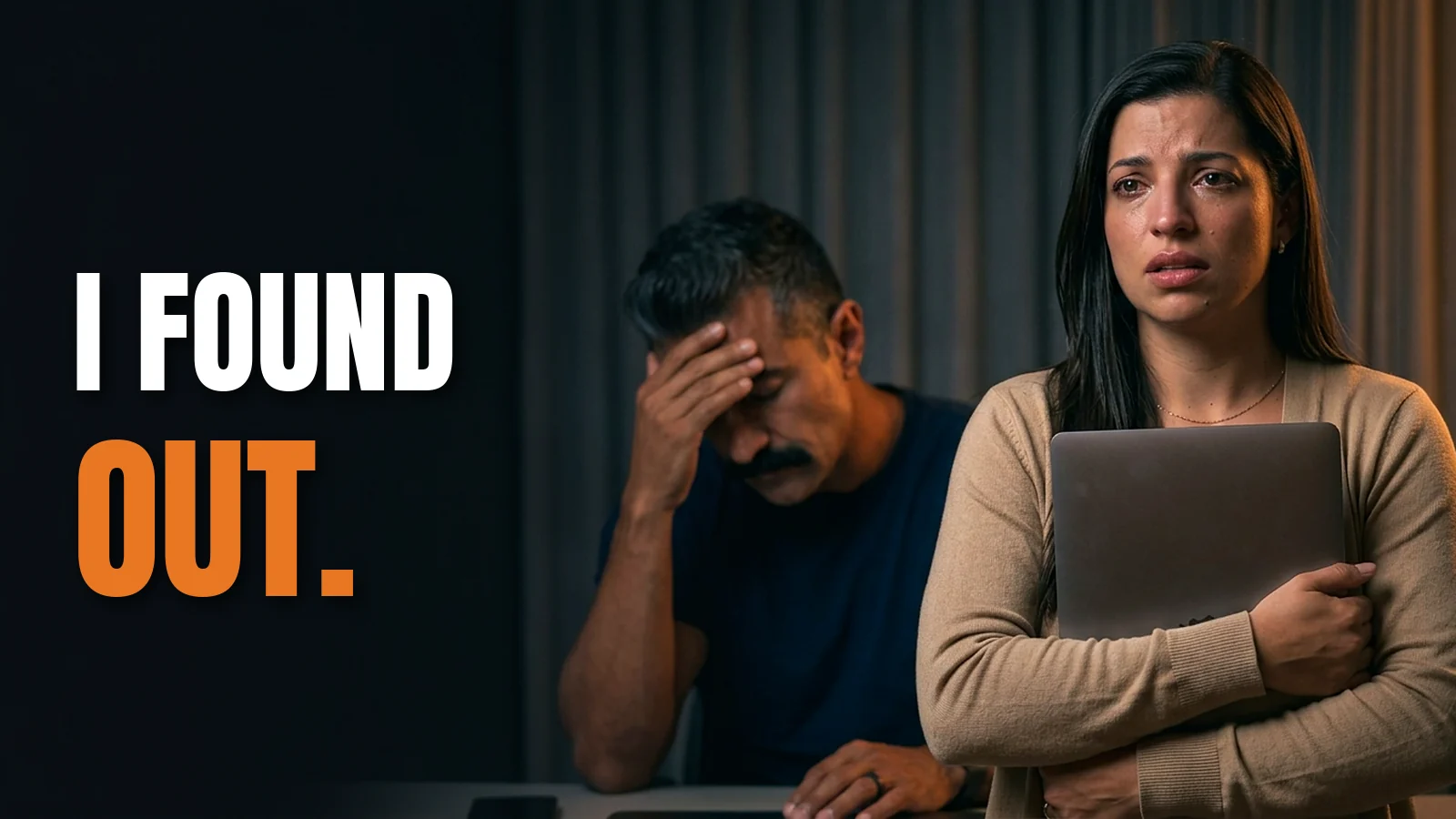
Pornography in marriage: what to do when you find out
You saw the browser history, the screen, or you heard the confession. Now what? Ricardo Martins walks wives and husbands through the first days after pornography comes to light, without denying the pain or giving up on restoration.
Read article →
The wise woman builds her house — without carrying it alone
Proverbs 14:1 says the wise woman builds her house. But building is not the same as carrying everything on your back. Ricardo Martins walks through Psalm 127, Moses and Martha to show the difference between building with wisdom and burning out trying to save a marriage single-handedly.
Read article →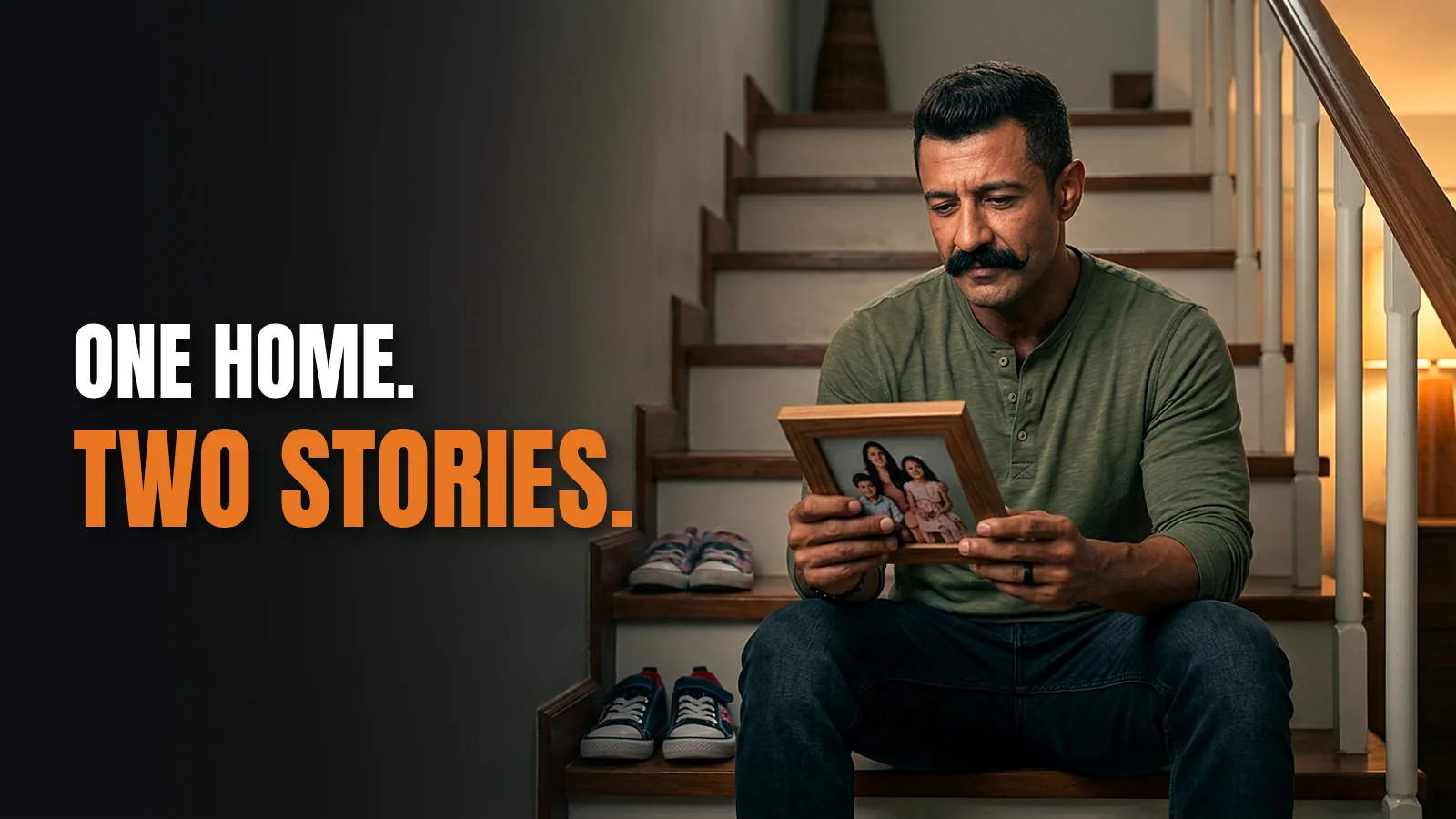
Remarriage and blended families under grace
Kids from before, an ex in the school group chat, a stepdad with no authority yet, and a load of church guilt. Ricardo Martins on building a blended family with patience, boundaries and grace.
Read article →This content is educational and pastoral. It does not replace therapy, medical, legal or emergency help. If you are in danger, seek help now.